Digital Knowledge System
Rebuild Atlantic wolffish as a key ecosystem predator
Norway
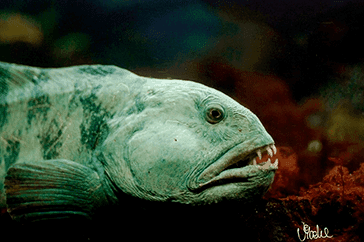
Restore wolffish populations and enhance ecosystem resilience.
Main Target
Biodiversity restoration (community-led protection of wolffish)
Transformative Impact
The impact of the demo will be described at the end of the project implementation. During the implementation of the project in a specific area some intermediary results will be delivered, and all these results will be published to support the dissemination and the sustainability of the project.
Implemented Actions
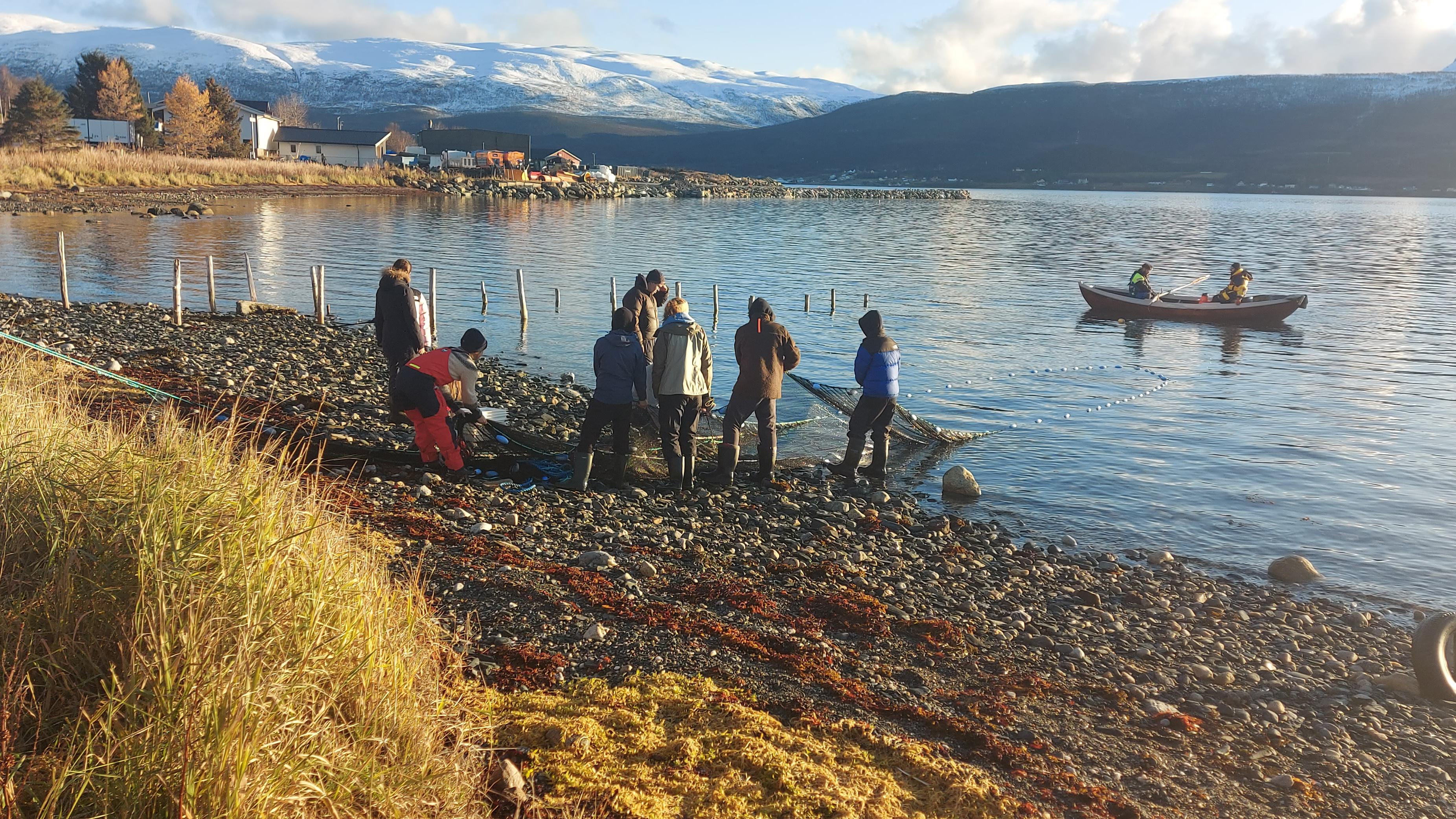
Community knowledge
Fishermen from the area have been asked to pinpoint where wolffish were common in the past compared with the present. Habitat characteristics such as kelp forest presence and bottom substrate were also described.
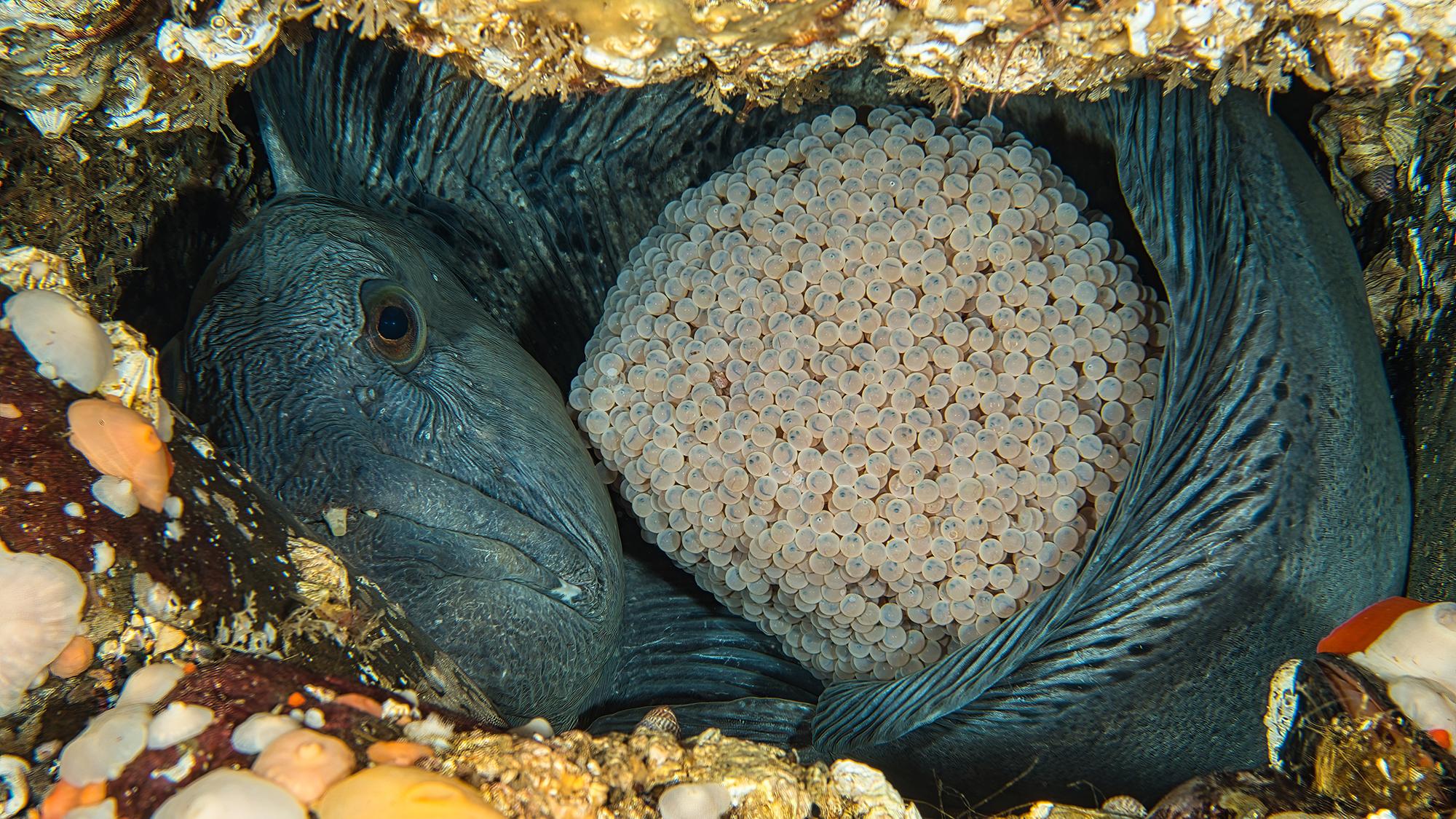
Life history traits and stressors of the wolffish
The literature was reviewed to understand the biological requirements for the species, and fishery statistics from the area were analysed and summarized in a Master's thesis. This knowledge is crucial for tailoring a management plan specific to this species and region.
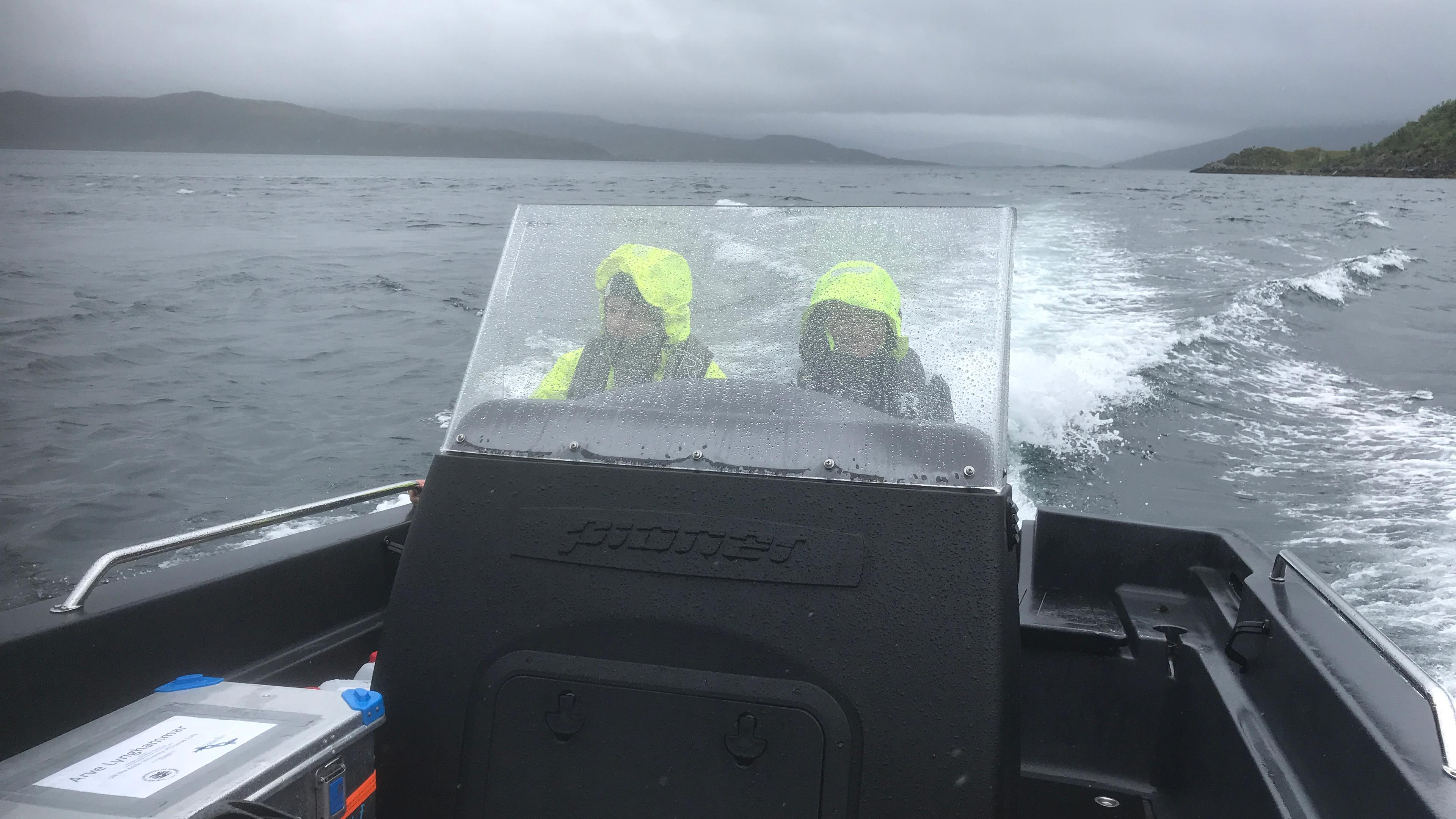
Mapping current wolffish distribution
In a depleted stock, each individual may have high value for future generations, so extensive fishing for surveys was avoided. Modern, non-invasive molecular methods were applied by collecting water samples from ten stations and using metabarcoding to detect wolffish environmental DNA.
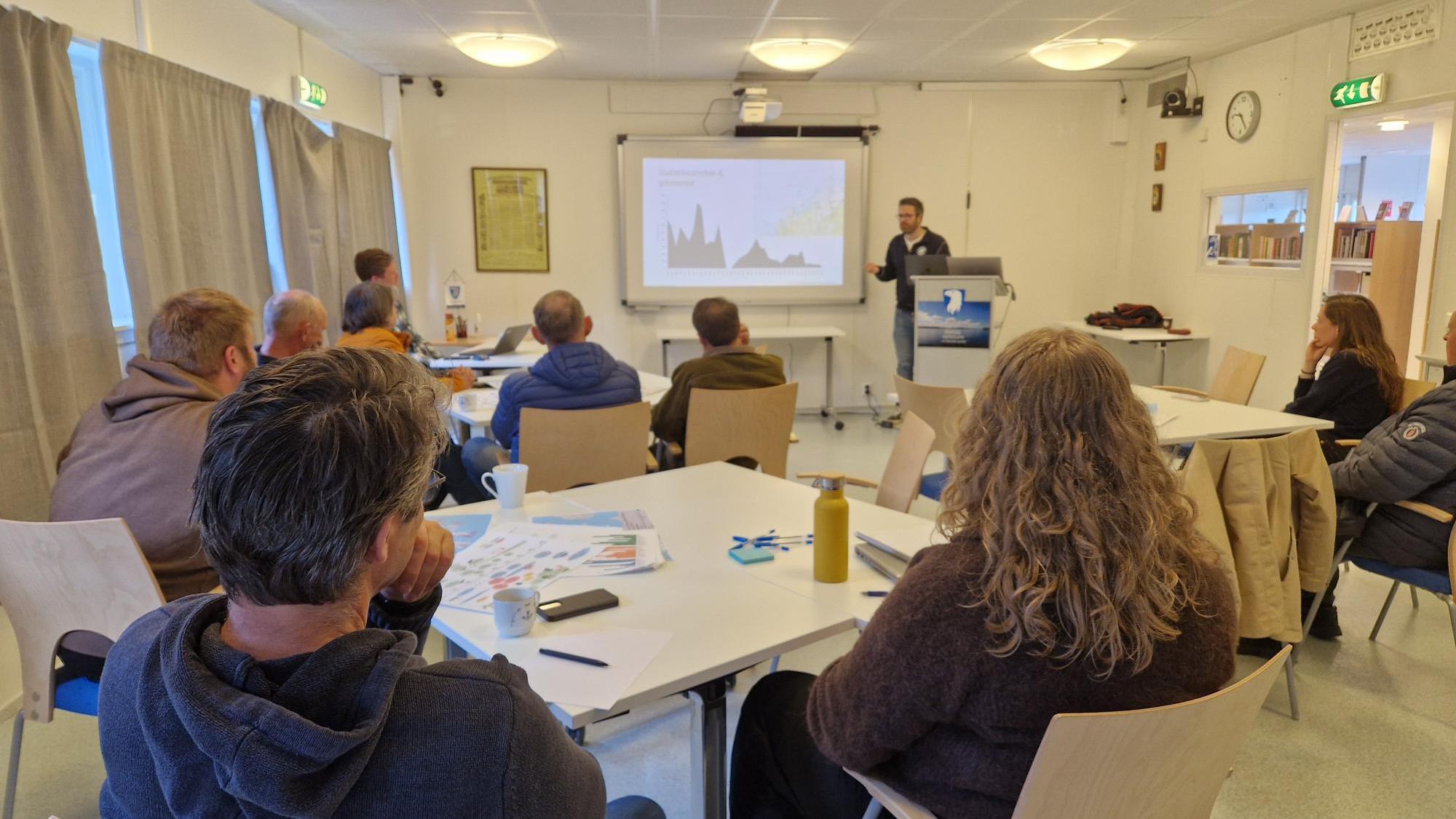
Local embeddedness
Although the community was already concerned about declining wolffish, additional support for conservation actions was built by sharing biological insights and official fishery statistics. Local school children joined awareness-raising activities about marine life.

National embeddedness
A national process has begun to enhance regulation in the MPA, aiming to establish a full no-take zone for wolffish. The effort balances conservation needs with commercial interests in the area.
Key Indicators
Number of users