Digital Knowledge System
Restoration of kelp forests through sea urchin removal
Norway
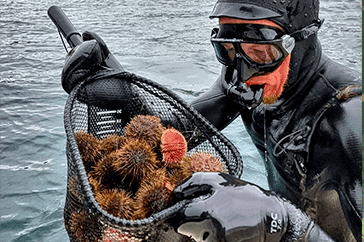
(1) Restore biodiversity through the removal of herbivore sea urchins to facilitate the restoration of kelp forests. (2) Prepare for carbon and biodiversity credit markets by estimating impacts and costs of restoration activities.
Main Target
Biodiversity restoration (sea urchin removal)
Transformative Impact
The impact of the demo will be described at the end of the project implementation. During the implementation of the project in a specific area some intermediary results will be delivered, and all these results will be published to support the dissemination and the sustainability of the project.
Implemented Actions
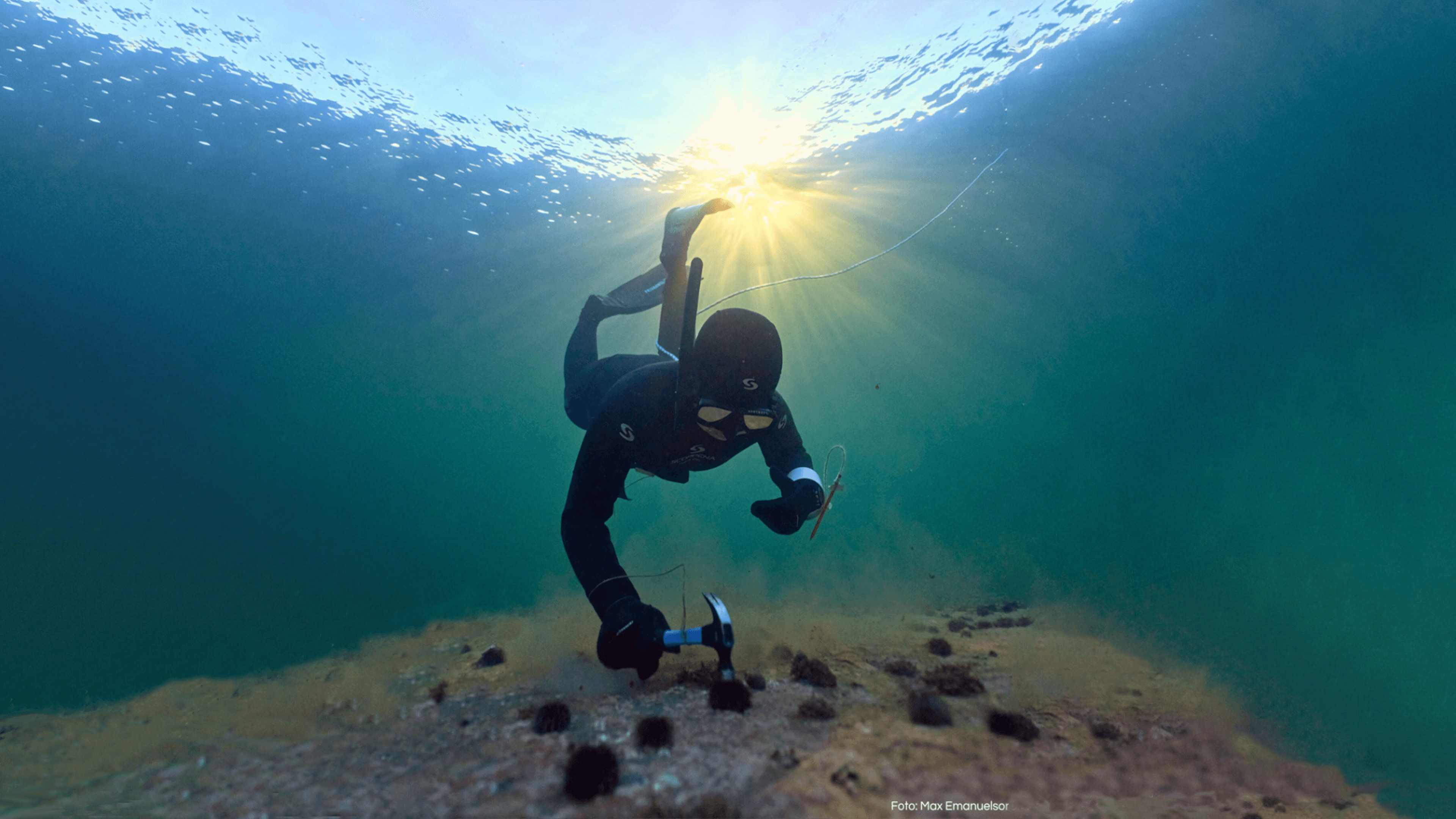
Kelp forest restoration
Volunteers have carried out hands-on efforts to remove sea urchins and restore kelp forests. These small-scale initiatives serve as proof-of-concept that kelp can return when grazing pressure is reduced.
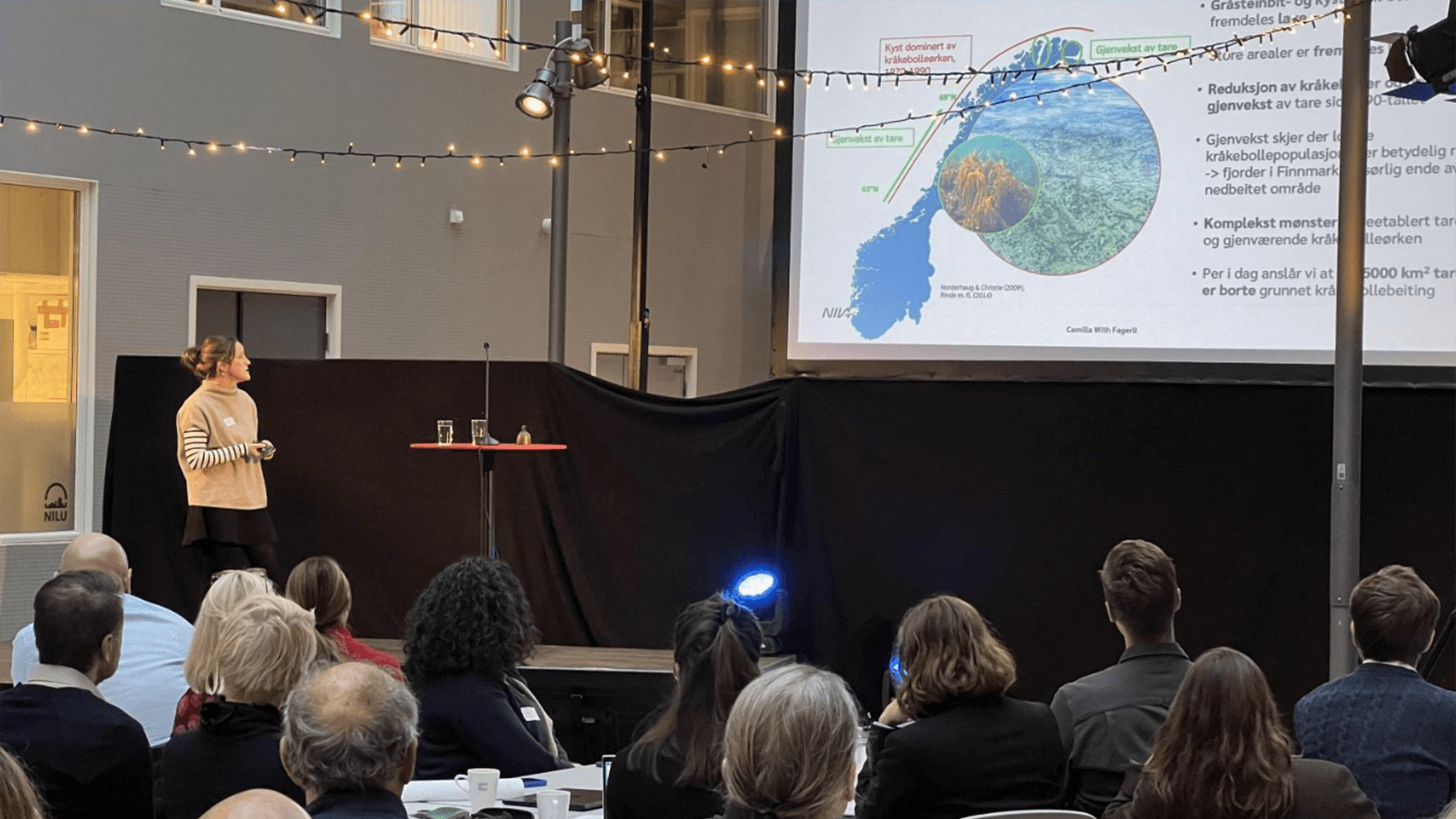
Community engagement
Key groups who depend on the marine environment—such as fishers, tourism operators, and coastal communities—have been involved in identifying practical solutions for kelp restoration.
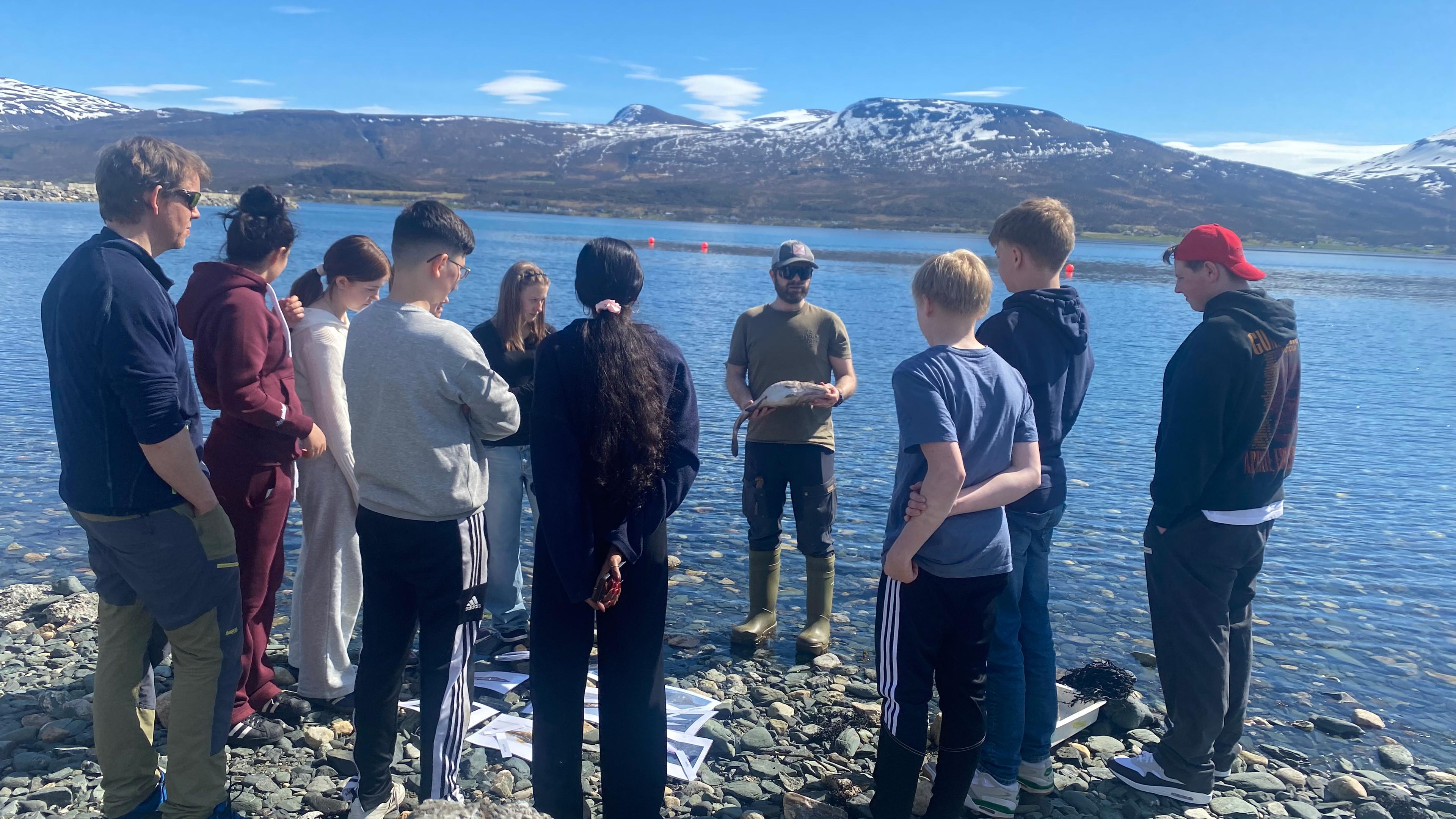
Youth education and awareness
Educational activities and the creation of an “underwater garden” have helped spark interest and understanding among young people about the importance of healthy marine ecosystems.
Future planning and industry collaboration
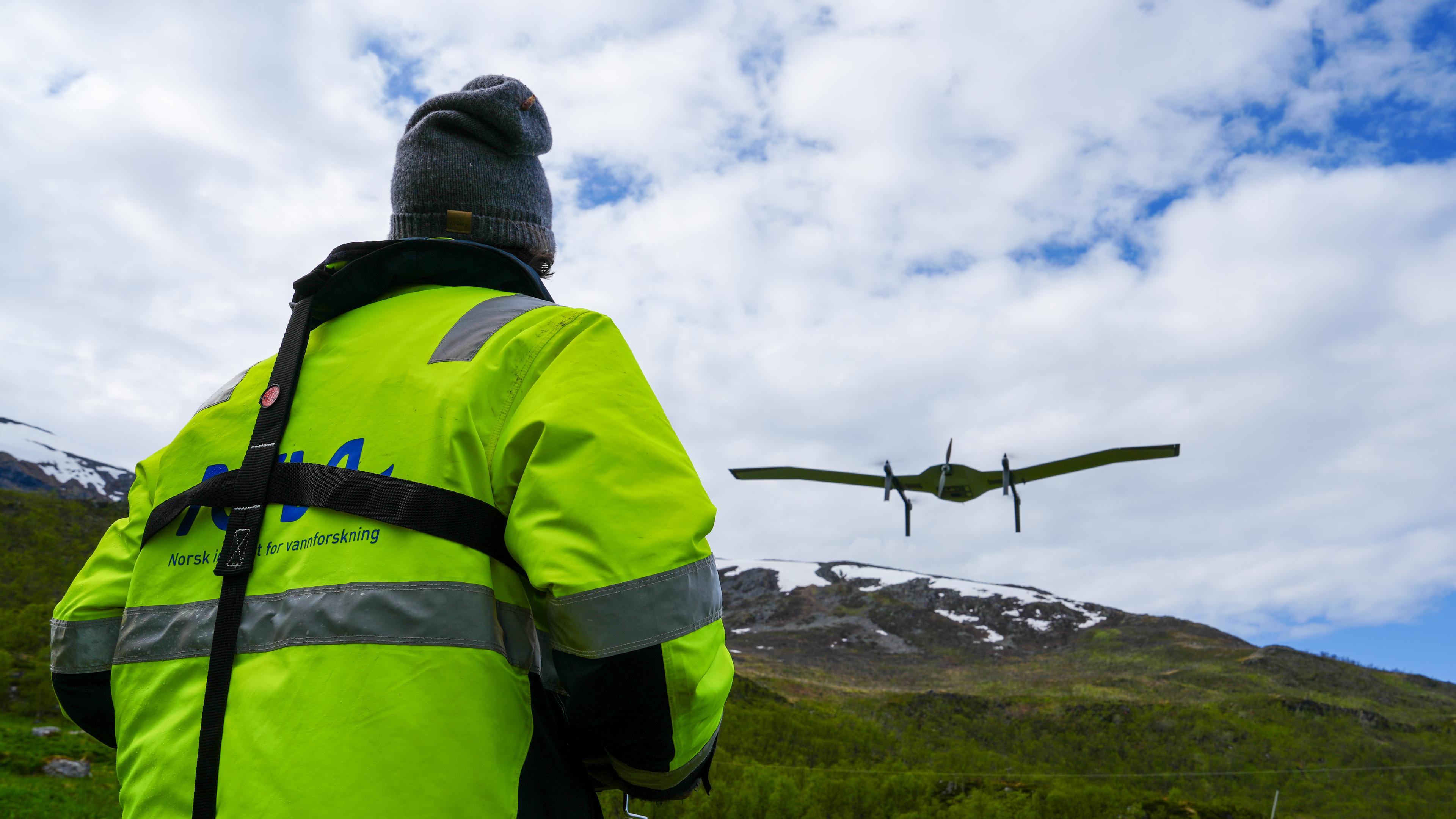
Spatial mapping of kelp forests and urchin barrens, and collaboration with sea urchin harvesters are being developed, to explore how kelp restoration can be scaled up in a sustainable and coordinated way.
Key Indicators
Number of users